Investing in a solar system is a smart decision-especially with rising electricity prices and frequent load-shedding. But many people rush into the process without proper research and end up with poor performance, unreliable equipment, or higher long-term costs. To help you make the right choice, here are the most common mistakes buyers make when purchasing solar systems—and how to avoid them.
1: Choosing the Cheapest System Instead of the Right One
A low price may seem attractive, but cheaper systems often include low-quality inverters, panels, or batteries. These systems may produce less power, fail faster, and require expensive repairs. Instead of focusing only on price, consider:
- Warranty coverage
- Brand reputation
- System efficiency
- After-sales support
A well-balanced system is more cost-effective in the long run.
2: Buying the Wrong Type of Inverter
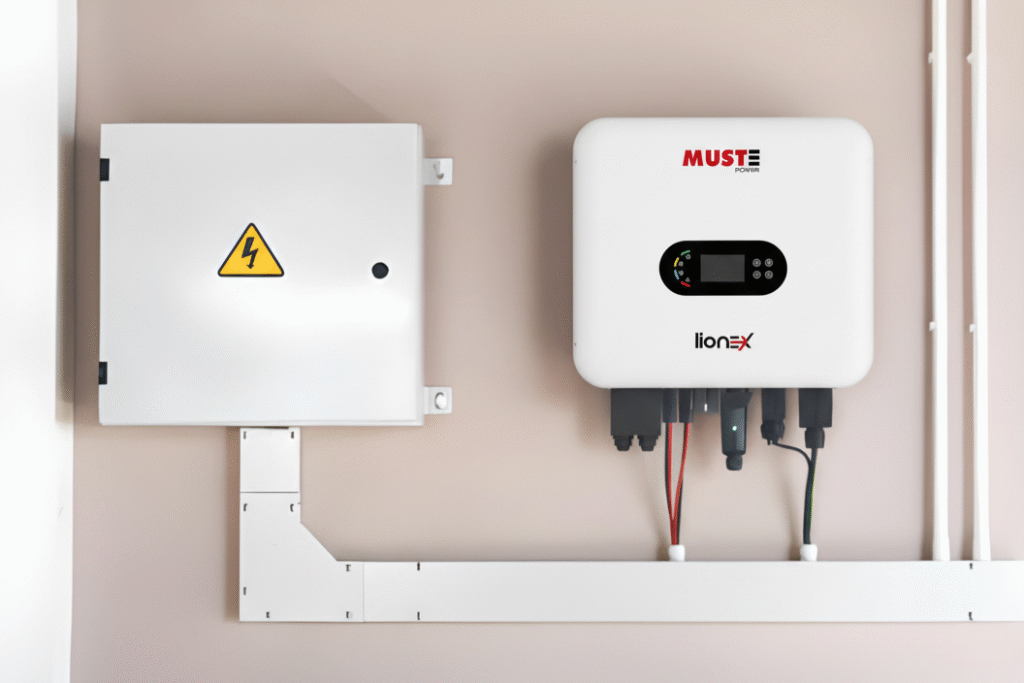
Many homeowners don’t understand the difference between on-grid, hybrid, and off-grid inverters. Choosing the wrong one may limit backup options or net-metering eligibility.
- On-Grid: Best for net-metering, no backup during load shedding
- Hybrid: Backup + net-metering (most recommended for homes in Pakistan)
- Off-Grid: Works without WAPDA but depends fully on batteries
Always select an inverter based on your goals-not just price.
3: Underestimating Battery Requirements
People often install small or low-capacity batteries thinking they will save money, but this reduces backup duration and increases battery strain. A properly sized battery ensures performance and lifespan.
Key consideration: Your backup hours + your essential load.
4: Ignoring Roof Direction and Shading
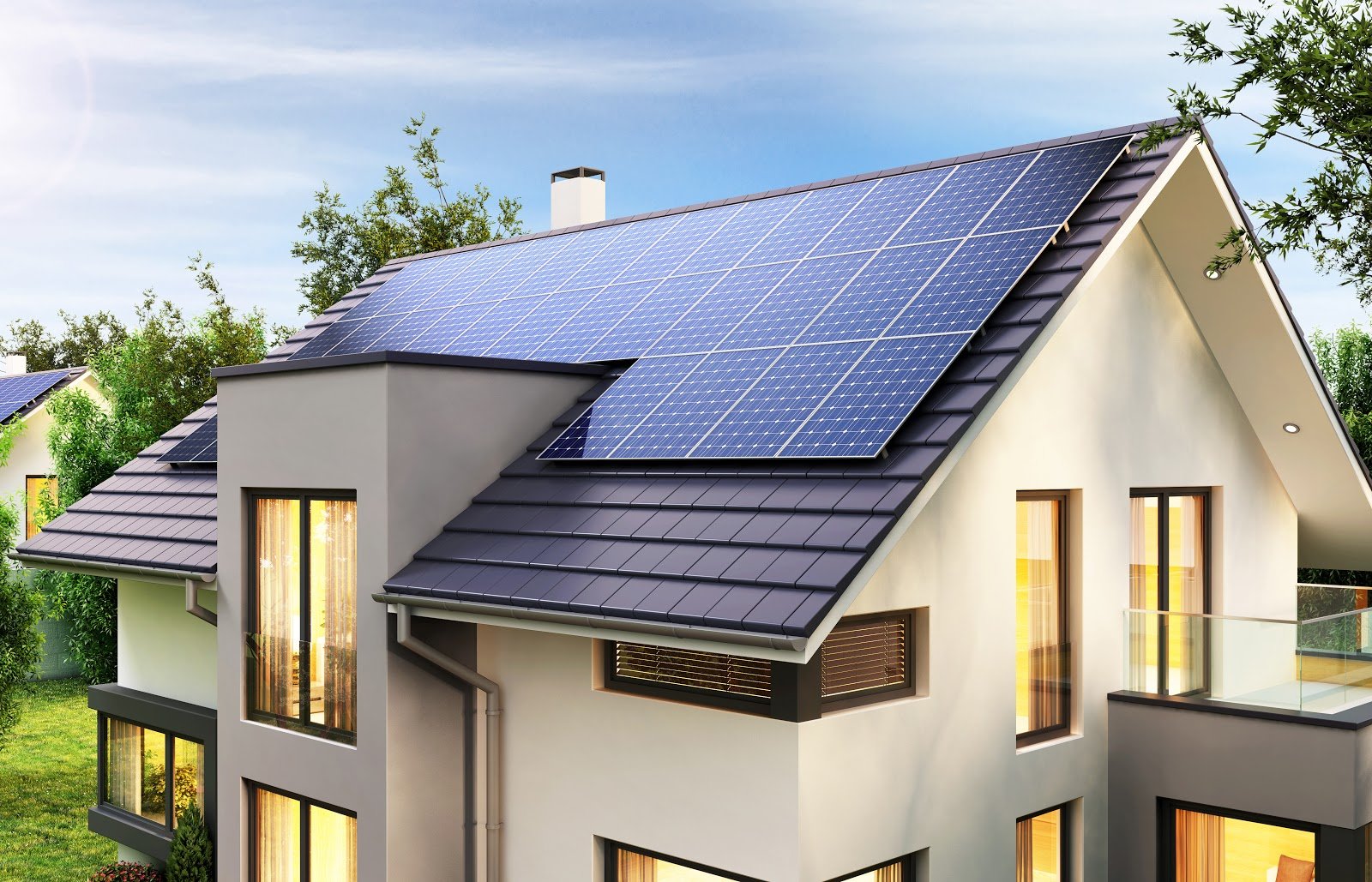
Even the best solar panels cannot perform well if installed in the wrong spot. Shade from trees, water tanks, or nearby buildings can significantly reduce energy output.
A professional installer should check:
- Sun exposure
- Roof angle
- Space availability
- Mounting method
Correct positioning can improve total system output by 20–40%.
5: Not Planning for Future Expansion
Many buyers only focus on current electricity usage and forget future needs such as:
- Adding an electric vehicle
- Expanding home area
- Increasing AC usage
- Switching more appliances to solar
Installing a slightly scalable system helps avoid costly upgrades later.
6: Ignoring Warranty and After-Sales Support
Solar equipment is a long-term investment. Without warranty and support, maintenance costs can increase. Always choose installers offering:
- Local warranty
- Technical support
- Maintenance plans
- Monitoring assistance
A system is only as good as the support behind it.
7: Not Verifying Net-Metering Eligibility
Some people assume every system includes net-metering. But not all inverters or installers are approved for it. If you want to reduce your bill or sell excess energy, ensure:
- The inverter is net-metering compliant
- The installer is licensed
- Documentation is handled properly
This step can significantly improve return on investment.
Final Advice
Buying a solar system requires informed decisions-not rushed choices. With the right guidance, high-quality components, and expert installation, you can enjoy clean power, long-term savings, and reliable backup during load-shedding.
If you’re unsure where to begin or want expert recommendations based on your home requirements, our team is here to help.
You can call 03164168512, email info@solar-inverters.pk, or visit our store for professional guidance and a personalized solar quotation.